OTB Bet

Horse Racing News & Analysis

Category: Horse Racing

  • Breeders’ Cup 2026 Guide: Dates, Keeneland Venue and What to Know

    Breeders’ Cup 2026 Guide: Dates, Keeneland Venue and What to Know

    The 2026 Breeders’ Cup World Championships are scheduled for October 30 and October 31, 2026 at Keeneland in Lexington, Kentucky.

    The two day event brings together championship races across dirt and turf divisions for juveniles, older horses, sprinters, routers and international contenders.

    Looking for the permanent event page? Visit the OTB Bet Breeders’ Cup hub for the evolving championship picture, qualification context and connected coverage.

    2026 Breeders’ Cup dates and venue

    Venue: Keeneland, Lexington, Kentucky
    Dates: October 30 and 31, 2026

    Breeders’ Cup’s official horsemen schedule confirms Keeneland as the host site for the 2026 World Championships.

    Key entry deadlines

    The official 2026 calendar lists the preliminary entry deadline for October 19, 2026 and the final entry deadline for October 26, 2026. Race order and post times are scheduled to be announced after preliminary entries.

    What makes Breeders’ Cup different

    Unlike a single race event, the Breeders’ Cup is a championship program spanning multiple divisions. That makes it one of the most important global meeting points of the year for American and international Thoroughbred racing.

    For readers, the useful way to follow the event is not as one story but as an ecosystem: qualifying races, division leaders, preliminary entries, final fields, odds, individual race previews and results.

    How OTB Bet will cover the 2026 Breeders’ Cup

    This 2026 guide preserves the confirmed dates and event framework, while the canonical Breeders’ Cup hub will organize ongoing previews, field developments and results as official information is released.

    Source note

    Dates, venue and entry deadlines in this guide are based on the official Breeders’ Cup Horsemen schedule and deadlines published for the 2026 World Championships.

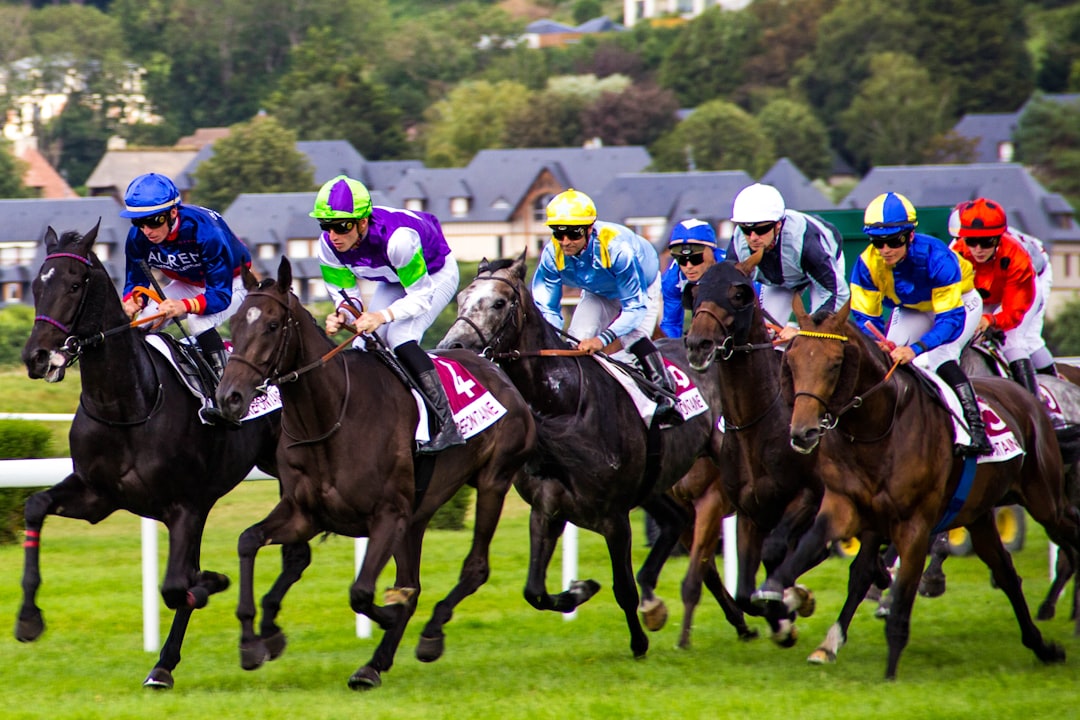
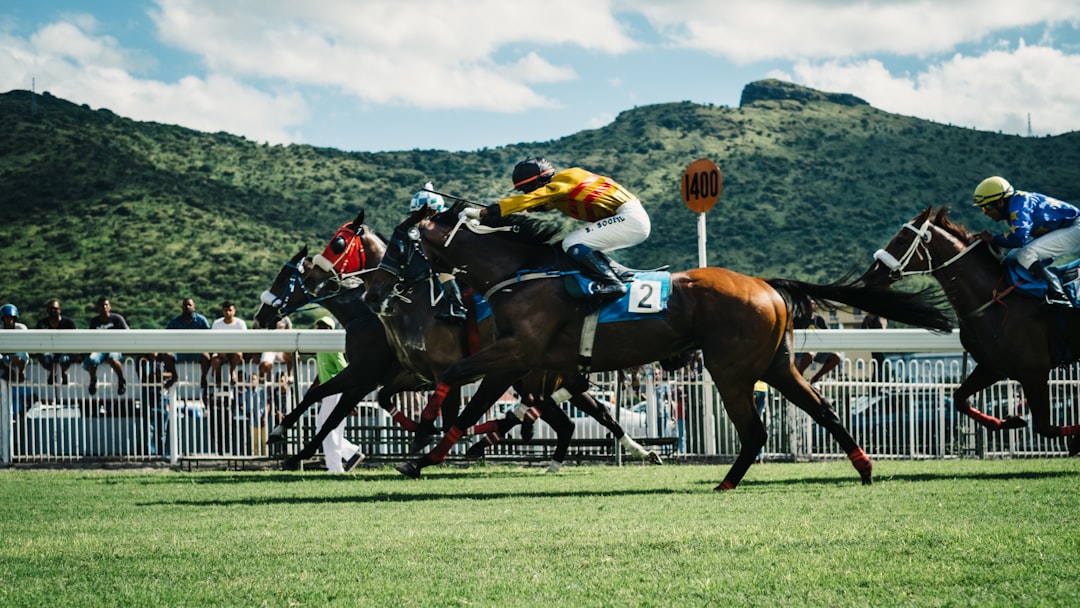
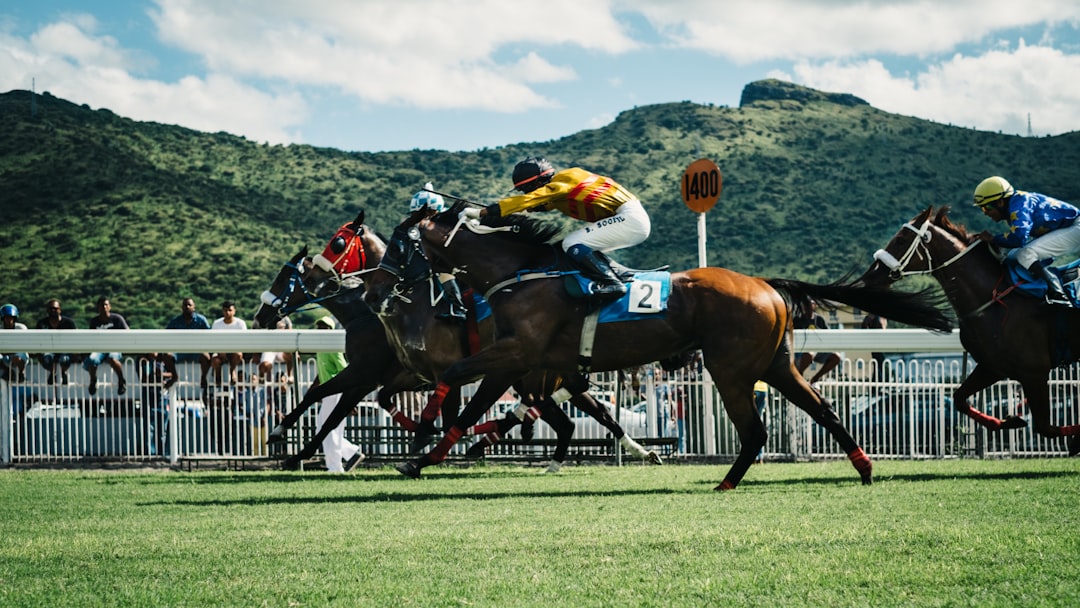
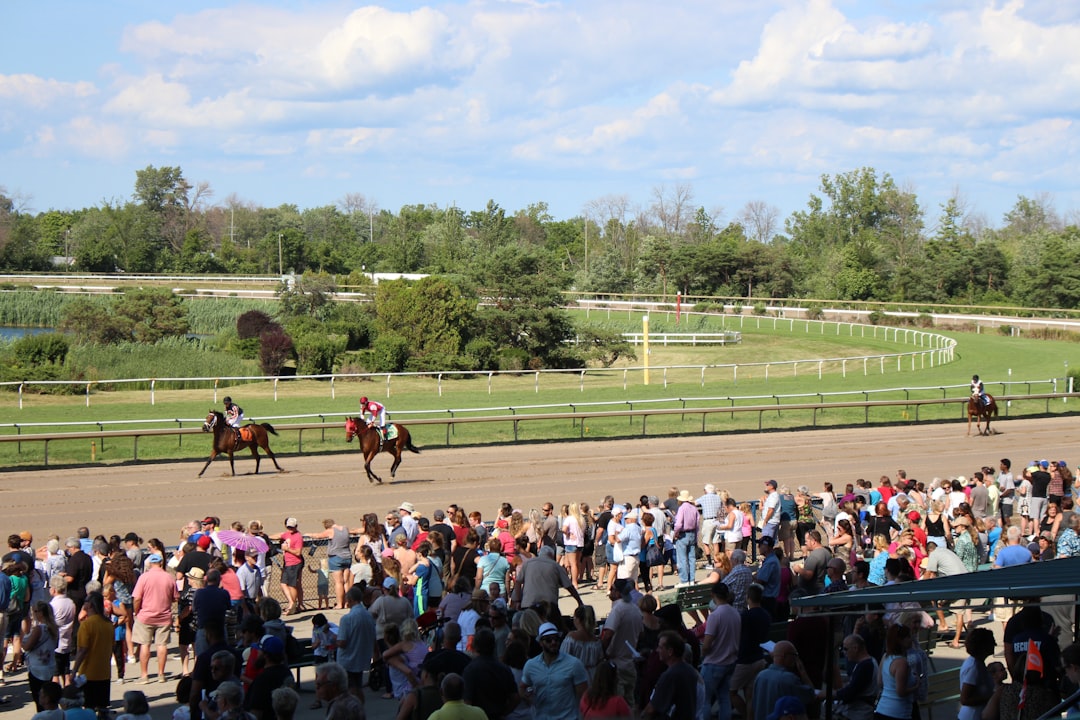
    Featured photo: Katee Lue / Unsplash.
  • With Anticipation Stakes Preview: High Official Leads Five Horse Turf Field at Saratoga

    With Anticipation Stakes Preview: High Official Leads Five Horse Turf Field at Saratoga

    Saturday’s With Anticipation Stakes brings a compact field of five 2 year olds to Saratoga for a 1 1/16 mile Grade 3 test on the inner turf.

    The race carries a $225,000 purse and is scheduled as Race 2 on the card, with a 12:38 p.m. post time. High Official drew post 3 for Todd Pletcher and is the 7 to 5 morning line favorite. Stablemates Liam’s Law and Bold Leadership give Pletcher three of the five starters.

    Field and morning line odds

    • Howard’s Hope 8 to 1
    • Liam’s Law 5 to 2
    • High Official 7 to 5
    • Bold Leadership 8 to 5
    • Perfect Dream 12 to 1

    The race is restricted to 2 year olds, with maidens receiving a small weight allowance. NYRA also notes that the race can be transferred to the main track if weather requires it.

    Race details

    • Race: With Anticipation Stakes (G3)
    • Track: Saratoga
    • Distance: 1 1/16 miles
    • Surface: Inner Turf
    • Purse: $225,000
    • Date: September 5, 2026
    • Scheduled post: 12:38 p.m.

    Because juvenile turf races can change quickly with scratches or weather, OTB Bet will keep this preview tied to official NYRA updates rather than projecting beyond the confirmed field.

  • Preakness Stakes History: Pimlico, the Middle Jewel and a Baltimore Tradition

    Preakness Stakes History: Pimlico, the Middle Jewel and a Baltimore Tradition

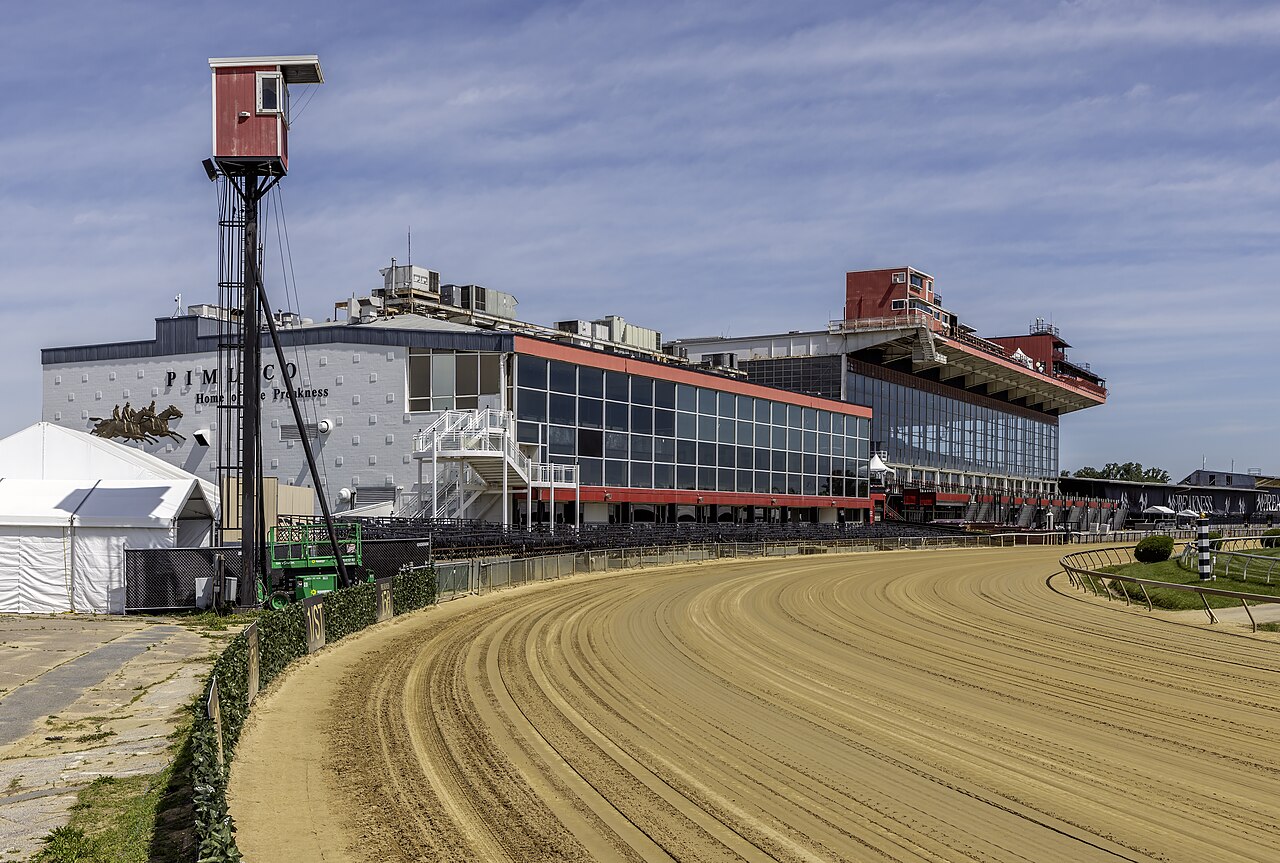
    The Preakness Stakes has been a central part of American Thoroughbred racing since 1873. Run as the second leg of the Triple Crown, it follows the Kentucky Derby and precedes the Belmont Stakes.

    For most of its history, the race has been closely tied to Pimlico Race Course in Baltimore, Maryland. The 2026 running was held temporarily at Laurel Park while Pimlico underwent redevelopment, and the race is scheduled to return to Pimlico in 2027.

    Why the Preakness is called the Middle Jewel

    The Preakness occupies the middle position in the Triple Crown sequence. That timing gives it a distinctive role: Kentucky Derby winners arrive with a chance to keep a Triple Crown bid alive, while fresh challengers can enter with the goal of stopping that run.

    The modern race distance

    The Preakness has been contested at different distances over the course of its history. The modern distance of 1 3/16 miles, or 9.5 furlongs, has been in place since 1925.

    Pimlico and Baltimore

    Pimlico is one of the oldest major racecourses in the United States and has hosted the Preakness for most of the race’s existence. Its return in 2027 will begin a new chapter at the redeveloped venue while preserving the race’s historic connection to Baltimore.

    The black-eyed Susan tradition

    The Preakness winner is traditionally honored with a blanket inspired by Maryland’s black-eyed Susan, reinforcing the race’s connection to the state and its local identity.

    Recent context

    Napoleon Solo won the 2026 Preakness at Laurel Park for trainer Chad Summers and jockey Paco Lopez. The 152nd running is scheduled for May 23, 2027, at Pimlico Race Course.

    For current race details, entries, odds and historical results, visit the OTB Bet Preakness Stakes hub.

  • Del Mar Futurity Preview: Hughes Heads Five Colt Grade 1 Field

    Del Mar Futurity Preview: Hughes Heads Five Colt Grade 1 Field

    Sunday’s Del Mar Futurity brings a compact but prominent field of five 2 year olds to the main track for the final major juvenile test of Del Mar’s summer meet.

    The Grade 1 race is worth $300,000 and is run at seven furlongs. Hughes, trained by Bob Baffert, drew post 4 and is joined by stablemate Domus from post 5. Doug O’Neill counters with Phone Booth, High Pronto and Dang Son.

    The field of five

    From the rail out, the field is Phone Booth, High Pronto, Dang Son, Hughes and Domus.

    Hughes enters as the key horse to beat, while Domus adds another major Baffert presence. Phone Booth gives the inside post to O’Neill’s group, with High Pronto and Dang Son completing the trio.

    Race details

    • Race: Del Mar Futurity (G1)
    • Track: Del Mar
    • Distance: 7 furlongs
    • Purse: $300,000
    • Date: September 6, 2026

    The Futurity is part of a Sunday card with 11 races that also includes the Shared Belief Stakes and Del Mar Juvenile Fillies Turf. OTB Bet will track official scratches and changes on race day before post time.

  • Del Mar Debutante Preview: Miss Monica Faces Nine Rivals in Grade 1 Test

    Del Mar Debutante Preview: Miss Monica Faces Nine Rivals in Grade 1 Test

    The Del Mar Debutante brings together 10 fillies at age 2 on Saturday for one of the defining juvenile races of the summer meet.

    The Grade 1 race is scheduled for seven furlongs on dirt with a $300,000 purse. Miss Monica drew post 9 and enters as one of the key runners after an impressive debut win at Del Mar. Bob Baffert also sends out Holmby, who has already won twice at the meet.

    Field at a glance

    The field includes Panda Listen, Dear Diary, Avalon Rose, Crazy Hot Mess, Free Closer, For the Win, Well Versed, Holmby, Miss Monica and Fast Amy.

    Miss Monica and Holmby give Baffert a strong pair, while Fast Amy and several other lightly raced fillies arrive with room to improve as they stretch out to seven furlongs.

    Race details

    • Race: Del Mar Debutante (G1)
    • Track: Del Mar
    • Distance: 7 furlongs
    • Purse: $300,000
    • Date: September 5, 2026

    The Debutante is Race 10 on the Saturday card. As always with juvenile races, scratches and late changes can affect the final shape of the field, so OTB Bet will update coverage when official changes are posted.

  • How to Bet on Horse Racing: Win, Place and Show Explained

    How to Bet on Horse Racing: Win, Place and Show Explained

    Win, place and show are the three simplest wagers in horse racing and the best starting point for understanding a betting menu. Each asks the same basic question: where will your horse finish? The difference is how much margin for error you have.

    Win

    A win wager succeeds only if your horse finishes first. Because the requirement is the strictest of the three basic bets, the potential payoff is generally higher than the place or show return on the same horse.

    Place

    A place wager wins if your horse finishes first or second. You give up some potential return in exchange for having two finishing positions that can cash the ticket.

    Show

    A show wager pays if your selection finishes first, second or third. It offers the widest safety net of the three traditional straight wagers, which usually means a smaller payoff.

    Which one should a beginner use?

    There is no single correct answer. Win bets are easy to understand and keep the goal simple. Place and show can be useful when you like a horse’s chances to run well but are less confident it will win. The important part is understanding what outcome your ticket actually requires before the race starts.

    Start simple before moving to exotics

    Exactas, trifectas and other bets involving multiple horses add more combinations and more complexity. Learning straight wagers first makes it easier to understand how risk, probability and payout interact before building more advanced tickets.

  • Belmont Stakes History: From Jerome Park to the Test of the Champion

    Belmont Stakes History: From Jerome Park to the Test of the Champion

    The Belmont Stakes is the oldest of the three races that make up the modern Triple Crown. First contested in New York in the 19th century, it has moved venues, changed distances and survived interruptions while remaining one of American racing’s defining events.

    The race began at Jerome Park

    The first Belmont Stakes was held at Jerome Park in New York. The race was named for August Belmont and later moved to Morris Park before Belmont Park became its longtime home in the early 20th century.

    Why it is called the Test of the Champion

    The Belmont is traditionally associated with a demanding distance of 1 1/2 miles, longer than the Kentucky Derby and Preakness Stakes. That endurance test helped create its familiar nickname, the Test of the Champion.

    Different tracks, same significance

    Belmont Park has not hosted every edition. The race has also been staged at Aqueduct and, during the recent Belmont Park redevelopment period, at Saratoga. Those temporary moves changed the setting on race day without changing its importance on the national calendar.

    Traditions beyond the finish line

    The winning horse is traditionally presented with a blanket of white carnations, a visual tradition that gives the race another enduring nickname: the Run for the Carnations.

    A permanent place in racing history

    For generations, the Belmont has been the race where Triple Crown bids are completed or denied. Even in years without a Triple Crown on the line, its history, distance and place on the calendar make it a central piece of the sport’s identity.

  • Kentucky Derby Traditions: Why the Garland of Roses Matters

    Kentucky Derby Traditions: Why the Garland of Roses Matters

    Few images in American horse racing are as recognizable as a Kentucky Derby winner wearing a blanket of red roses. The tradition has become inseparable from the race itself, helping give the Derby its enduring nickname, the Run for the Roses.

    A symbol built around the winner

    The modern garland is a large, carefully assembled floral blanket made with hundreds of red roses. It is presented to the winning horse in the Churchill Downs winner’s circle shortly after the race.

    Why roses became part of the Derby

    Roses became associated with the Kentucky Derby long before the modern presentation was standardized. Over time, the flower evolved from a decorative tradition on race day into a central visual identity for the event.

    The modern garland

    Today’s garland is built to be both ceremonial and durable enough for the presentation in the winner’s circle. The roses are supported by greenery and a structured backing, creating the broad floral blanket seen in Derby celebrations.

    Why the tradition still matters

    The Kentucky Derby has changed dramatically since its first running in 1875, but the roses connect modern winners to generations of racing history. For fans, the presentation is the final visual confirmation that a horse has joined one of the sport’s most famous lists of champions.

  • Horse Racing Odds Explained: What 5 to 1, 7 to 2 and Short Odds Mean

    Horse Racing Odds Explained: What 5 to 1, 7 to 2 and Short Odds Mean

    Horse racing odds do two jobs at once: they show the potential return on a winning wager and reflect how money is being distributed across the betting pool. In the United States, they are usually displayed as fractional odds such as 5 to 1, 7 to 2 or 3 to 5.

    How to read fractional odds

    At 5 to 1, a winning $1 wager earns $5 in profit, plus the original stake back. At 7 to 2, every $2 wagered earns $7 in profit. Odds shorter than even money, such as 3 to 5, indicate a strong favorite and a smaller potential return.

    Why odds move

    Most U.S. horse racing uses pari mutuel wagering. Bettors are wagering into a shared pool rather than locking in a fixed price with the track. As more money is bet on one horse or another, the displayed odds can change all the way up to post time.

    Morning line vs. final odds

    The morning line is an estimate created before wagering begins. It is useful as a guide to how competitive a race may be, but it is not a guaranteed price. The final odds are determined by the actual betting pool.

    A quick example

    If a horse goes off at 5 to 1 and you make a $2 win wager, the profit portion is $10. Your original $2 stake is also returned, producing a $12 total payoff before any considerations specific to the jurisdiction.

    The key takeaway

    Odds are best understood as both a price and a snapshot of public betting. Learning to read them quickly makes race cards easier to follow and gives you a better foundation for evaluating value.

  • Saratoga Jockey and Trainer Titles Tighten in Final Week

    Saratoga Jockey and Trainer Titles Tighten in Final Week

    Saratoga’s final week is not only about graded stakes. Two season-long championship races remain unsettled as the meet heads toward its closing day.

    In the jockey standings, Manny Franco and Flavien Prat are battling for the riding title, with both seeking their first championship at the Spa. The margin is tight enough that a strong afternoon can change the order quickly.

    Franco and Prat keep the pressure on

    Franco entered the final stretch with a heavy book of mounts, while Prat was also scheduled for a full slate before leaving for Kentucky Downs on Sunday. The scheduling difference could matter because every remaining opportunity becomes significant when the standings are this close.

    The Saratoga riding title has been dominated by the Ortiz brothers for much of the past decade, making the current race notable for a different reason: the winner would break through for a first Spa championship.

    Brown and Rice renew their trainer rivalry

    The trainer standings feature another familiar Saratoga matchup. Chad Brown held a narrow advantage over Linda Rice entering the final days, with both barns still holding numerous entries.

    Brown is seeking another Saratoga training title after a career filled with success at the meet. Rice has been one of his strongest challengers in recent seasons, including a shared title in 2023.

    Closing day could decide both races

    Saratoga’s meet concludes Monday, September 7. With jockeys and trainers still separated by small margins, the championships could remain undecided until the final card.

    That adds another layer to the closing weekend: beyond the major stakes and emerging horses, nearly every win can influence two of the meet’s most prestigious individual honors.